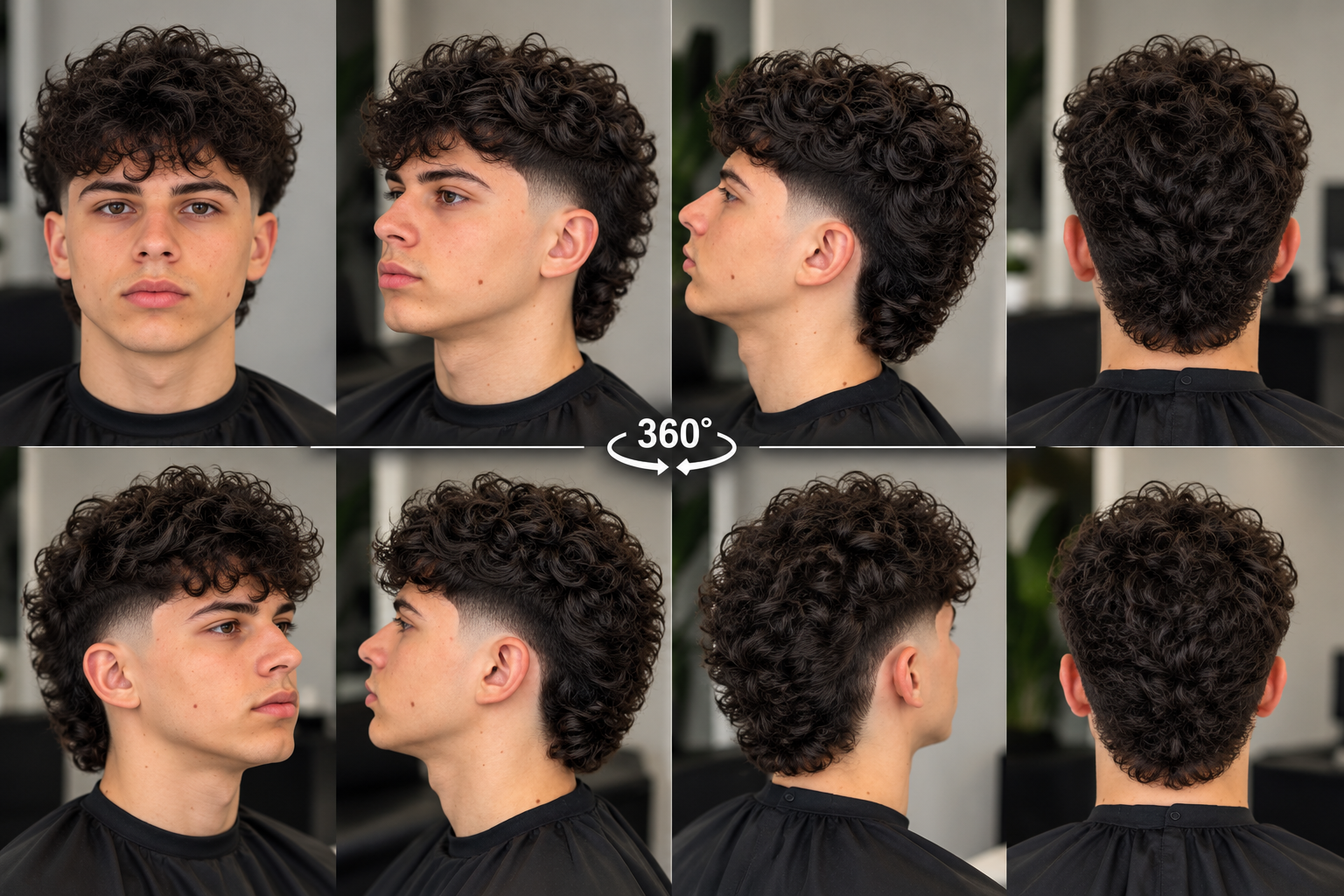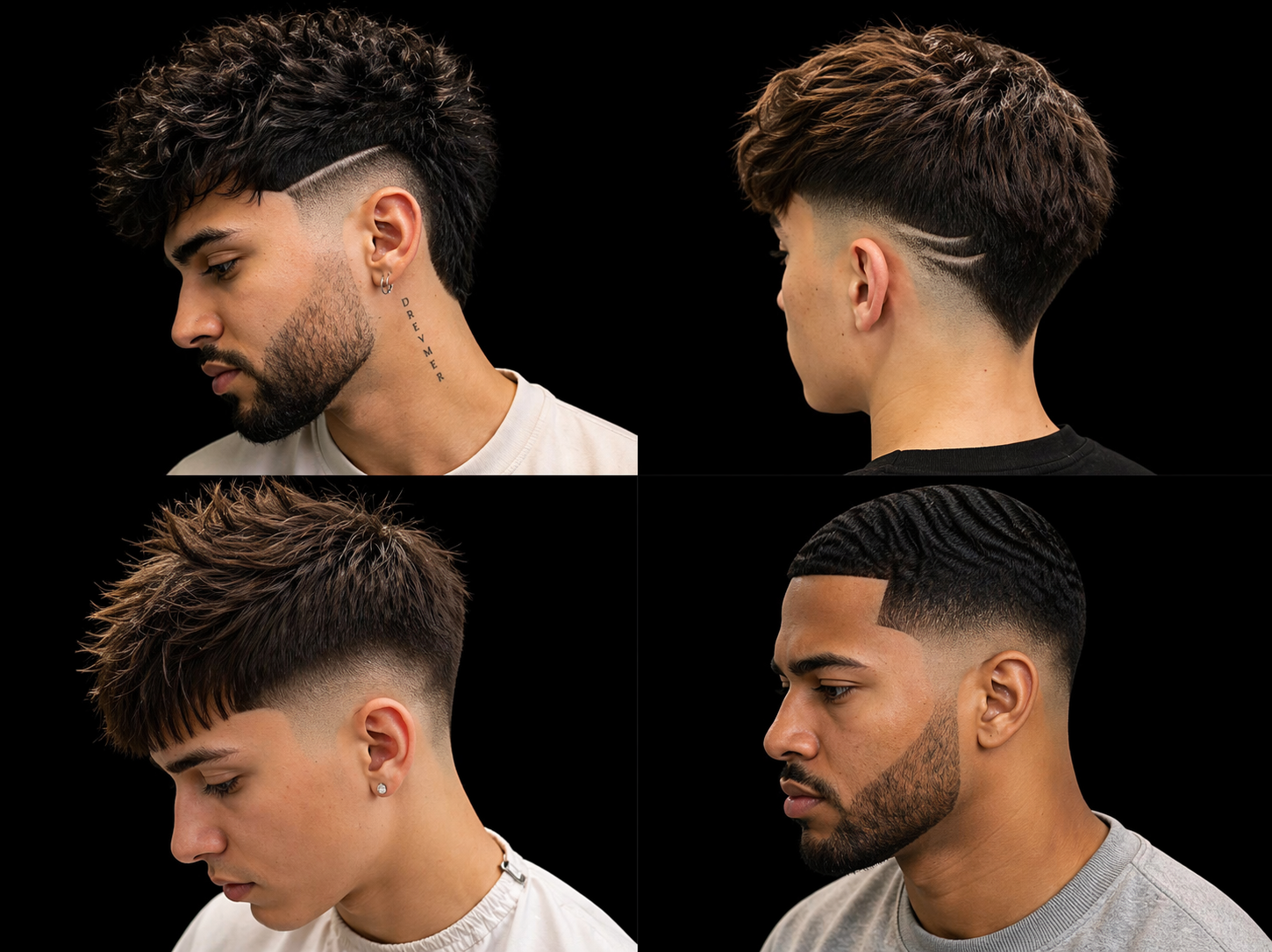
The Art of the Modern Fade: Low Taper, Mullet Fade and Mid Fade Explained
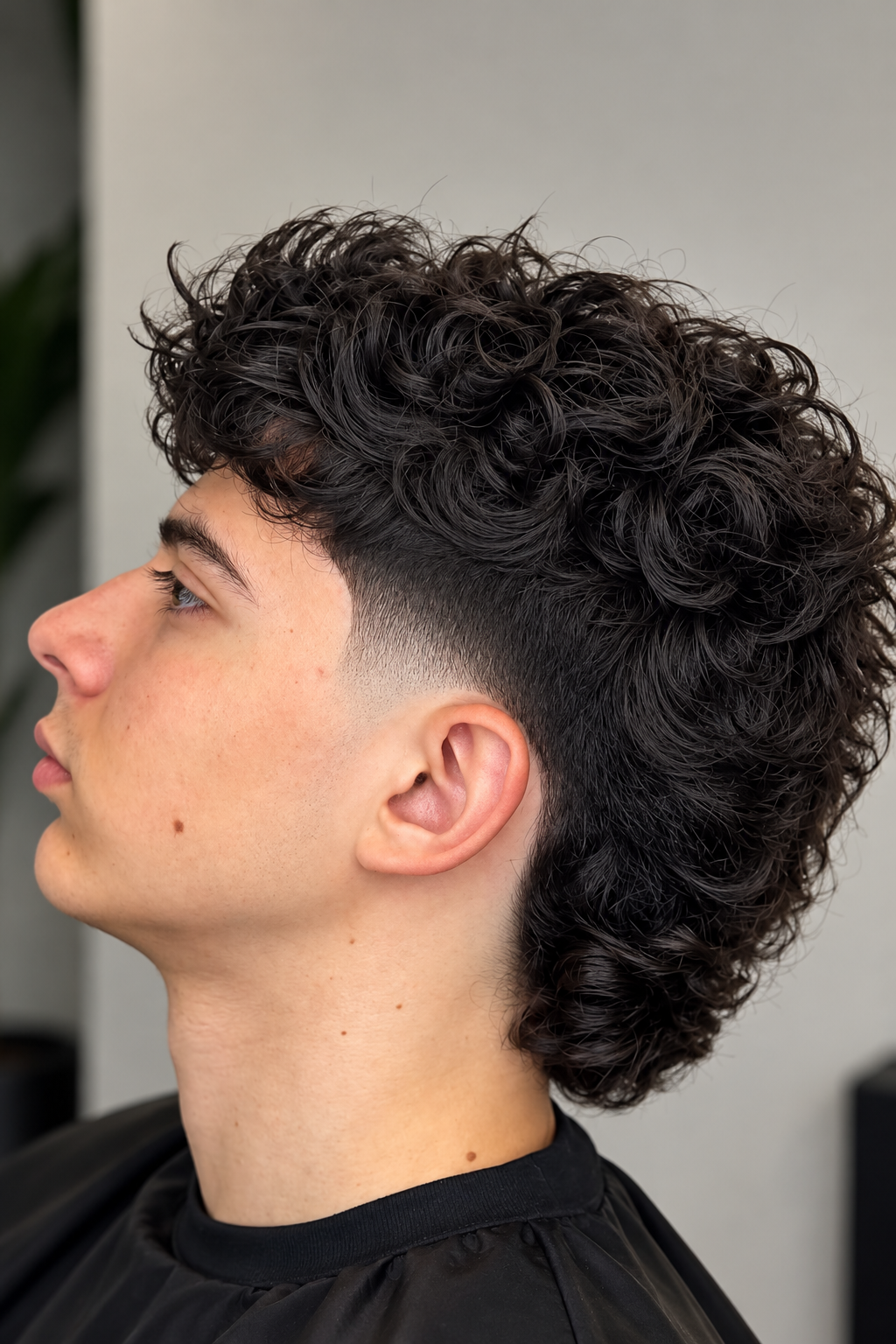
From the understated precision of a low taper fade to the textured personality of a curly mullet, the modern men's haircut is becoming less about following trends and more about finding an individual style.
There was a time when asking for a fade haircut was relatively straightforward. The barber would take the sides short, blend the hair towards the top and finish with a clean neckline. Today, the conversation is considerably more interesting.
Walk into a modern barbershop in Amsterdam and you are likely to hear requests for a low taper fade, a mid fade or a mullet fade. They may sound similar, but each offers a distinctly different result.
The difference lies in more than where the hair gets shorter. It is about proportion, movement, texture and how a haircut complements the individual wearing it.
At ICON Salon & Barbershop Amsterdam, we believe understanding these details is what turns a good haircut into an exceptional one.
1. The Low Taper Fade: Quiet Confidence
The low taper fade has become one of the most recognisable contemporary men's haircuts, largely because it manages to look polished without appearing overly styled.
Unlike a more pronounced fade, which can remove much of the hair along the sides, a low taper fade concentrates the shortest graduation around the sideburns and neckline.
The result is subtle. The hair remains relatively full around the head, while the edges are carefully blended to create a clean, balanced finish.
It is a particularly versatile option for men who want to maintain their natural hairstyle without committing to an aggressive fade.
A low taper fade works well with straight, wavy and curly hair. With curls, it allows the natural volume and texture to remain the focal point. With thicker, straighter hair, it introduces definition without sacrificing the overall shape.
Who should consider a low taper fade?
Men looking for a professional, understated hairstyle that transitions comfortably between the office, social occasions and everyday life.
It is also an excellent introduction to fade haircuts for anyone who prefers a more natural appearance.
The low taper fade and low fade are not quite the same: a low fade generally blends a larger area around the lower sides of the head, while a low taper is more concentrated at the temples and neckline.
2. The Mullet Fade: A Modern Interpretation of an Unconventional Classic
Few hairstyles have undergone quite the same transformation as the mullet.
Once associated with a distinctly different era, the mullet has returned in a more considered form. The modern mullet fade combines shorter, blended sides with additional length and movement towards the back.
Rather than creating a dramatic separation between short and long hair, a skilled barber uses the fade to establish a smooth visual transition.
What makes this haircut particularly interesting is its flexibility.
A modern mullet fade can be relatively restrained, with just enough additional length at the back to create movement. Alternatively, it can be deliberately expressive, with strong contrast, defined texture and a more prominent silhouette.
The Curly Mullet Fade
For men with naturally curly hair, the curly mullet fade offers a distinctive combination of structure and freedom.
The fade creates definition around the ears and temples, while the curls retain their natural shape across the top and back.
The contrast is important. Keeping the sides clean allows the texture to stand out without making the haircut look unnecessarily heavy.
The best curly mullet fades avoid overworking the hair. Instead of forcing every curl into position, the barber works with the natural growth pattern, curl density and volume.
The result should feel effortless, even when considerable precision has gone into creating it.
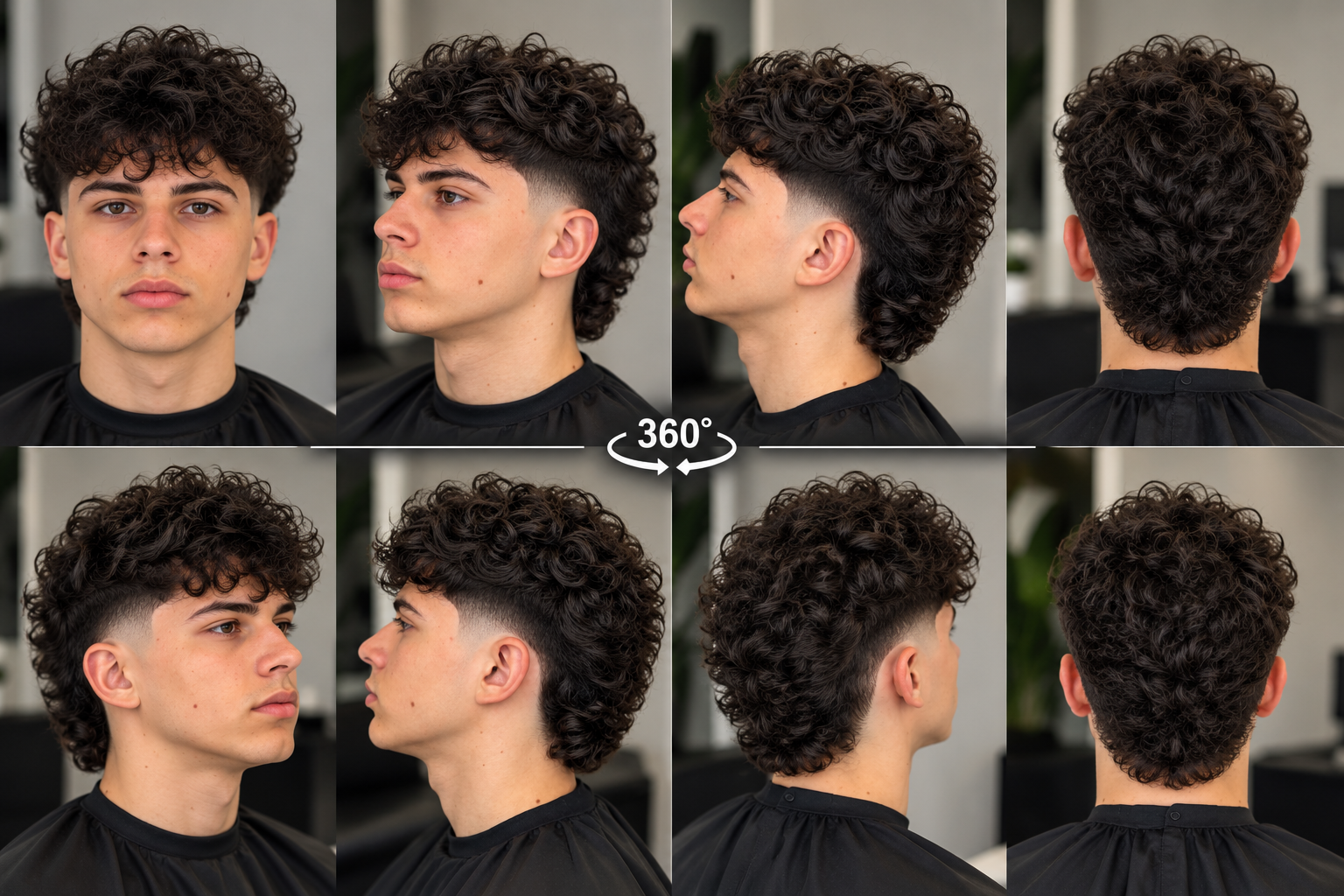
Who should consider a mullet fade?
Men who appreciate character, texture and individuality in their hairstyle. It is especially appealing to those with wavy or curly hair who want to retain length while introducing cleaner, sharper sides.
3. The Mid Fade: Finding the Perfect Balance
If the low taper fade represents subtlety and the mullet fade celebrates individuality, the mid fade occupies the space between classic restraint and contemporary definition.
A mid fade typically begins around the middle of the sides of the head, creating a more noticeable transition between shorter and longer hair.
The positioning makes an immediate visual difference.
Compared with a low taper fade, the mid fade introduces greater contrast and exposes more of the sides. Yet it remains less dramatic than a high fade.
Its appeal lies in this balance.
A mid fade can complement a textured top, natural curls or a longer swept-back finish. It can be tailored to suit different face shapes, hair densities and personal preferences.
A properly executed mid fade should not look like a collection of separate lengths. The blend needs to appear continuous, with no distracting lines or uneven transitions.
Who should consider a mid fade?
Men who prefer a clearly defined haircut that still feels versatile and sophisticated. It suits those looking for something sharper than a low taper without taking the fade excessively high.
Low Taper Fade vs Mid Fade vs Mullet Fade: What's the Difference?
Although these three styles share the same principles of careful blending and proportion, the finished results can be very different.
| Haircut | Defining characteristic | Overall appearance |
|---|---|---|
| Low taper fade | Short, subtle blending at the temples and neckline | Natural, clean and understated |
| Mullet fade | Faded sides with longer hair towards the back | Textured, expressive and modern |
| Mid fade | Noticeable graduation around the middle of the sides | Sharp, balanced and versatile |
An important distinction is that a mullet fade describes the overall haircut and its longer back, while a low taper or mid fade describes the positioning of the shorter graduation. These techniques can sometimes be combined.
Why Hair Texture Matters More Than the Trend
A photograph can provide inspiration, but it cannot explain everything about how a haircut will behave in real life.
Two men requesting the same mid fade may leave with slightly different results, and rightly so.
Hair density, growth direction, curl pattern and head shape all affect how a fade should be approached.
For thick, curly hair, retaining sufficient length can preserve natural movement. For finer hair, careful graduation can help create the impression of balance and volume.
The same principle applies to a mullet fade. The ideal length at the back depends on the hair's texture and how naturally it falls.
A good fade haircut should complement the person rather than reproduce a photograph at any cost.
This is why consultation remains one of the most important parts of the experience.
How Often Should You Maintain a Fade Haircut?
Precision haircuts change as they grow.
For men who prefer a consistently sharp fade, a visit every two to three weeks is often appropriate. A softer low taper fade may remain presentable for longer, depending on how quickly the hair grows.
A mullet fade may require a different approach. While the faded sides benefit from regular maintenance, the longer sections may need occasional shaping rather than significant length removal.
The goal is not simply to keep the hair short. It is to preserve the proportions that make the haircut work.
Frequently Asked Questions About Fade Haircuts
Is a low taper fade suitable for curly hair?
Yes. A low taper fade is particularly effective with curly hair because it keeps the edges neat while allowing the natural curls to maintain their volume and texture.
What is the difference between a low taper fade and a mid fade?
A low taper fade focuses on subtle blending around the sideburns and neckline. A mid fade creates a more noticeable transition higher along the sides of the head.
Is a mullet fade the same as a burst fade?
Not necessarily. A burst fade describes a rounded fading pattern around the ear, while a mullet fade refers to a haircut featuring shorter sides and longer hair towards the back. The two can be combined.
Can I get a curly mullet with a low taper fade?
Absolutely. Combining a curly mullet with a low taper creates a softer, more natural interpretation of the modern mullet, retaining curls and length while keeping the edges clean.
Which fade haircut is best for a professional appearance?
A low taper fade is often a strong choice for men who prefer a subtle, classic finish. A well-balanced mid fade can be equally appropriate, depending on personal style and workplace expectations.
A Good Fade Is About More Than Short Hair
The continued popularity of fade haircuts says something interesting about modern men's grooming.
Men are increasingly looking for hairstyles that reflect their personality while remaining practical and wearable.
The low taper fade offers restraint. The mid fade brings definition. The mullet fade introduces movement and individuality.
None is universally better than the others.
What matters is understanding the relationship between the haircut, the natural texture of the hair and the person wearing it.
For those looking for a low taper fade, curly mullet fade or mid fade in Amsterdam, the right starting point is a thoughtful consultation and a barber who understands the details.
At ICON Salon & Barbershop Amsterdam, we bring together modern barbering techniques, attention to detail and individual styling to create haircuts designed around you.
ICON Salon & Barbershop Amsterdam
Where Style Meets Excellence.
Discover your next haircut. Book your appointment with ICON today.